
The Importance of Age-Appropriate Exercise for Your Pup
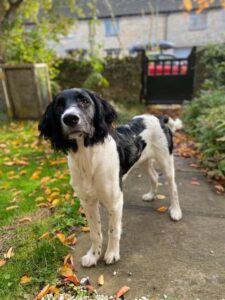
As passionate dog lovers and responsible owners it’s only natural that we want the best for our dogs. One crucial aspect of their well-being is ensuring they get the right amount and type of exercise, especially during their crucial developmental stages. I want to discuss the importance of age-appropriate exercise, particularly for dogs under 18 months.
The Pitfalls of Overexertion
It might be tempting to take your energetic pup on long runs, but excessive running in young dogs can lead to imbalances in their muscular system. This imbalance can result in the promotion of power muscle usage at the expense of foundation muscles, ultimately causing instability and a potential domino effect of issues within their skeletal system. The consequences may include decreased functional movement, diminished agility, and an increased risk of injury.
The 6-Month to Growth Plate Closure Phase
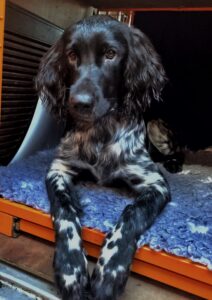
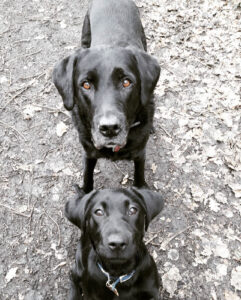 While it’s common knowledge to be cautious with puppies under 6 months, the period between 6 months and growth plate closure (around 14-20 months) is equally crucial. During this time, high-impact and endurance exercises should be avoided. Instead, focus on gradually introducing activities that promote balanced muscle and tissue development. These can include training such as teaching your dog to measure jumps which are at the appropriate height for their development and incrementally increasing aerobic exercises.
Guidelines Beyond Growth Plate Closure
Even after growth plate closure, it’s essential to recognise that the soft tissue continues to develop around the skeleton.
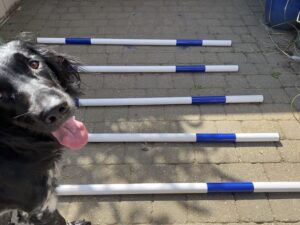
Therefore it is imperative to gradually increase activities like repetitive flyball box work, weave poles, and jump heights and running with your dog including canicross. Does not mean just go for a 5k (or longer) run. By working on conditioning and skill development can help develop and well balanced muscular system. It’s also crucial to be cautious if your dog has been neutered, as these guidelines (around 14-20 months) are extended for them.
Why Trust This Advice
 The advice provided is not arbitrary but stems from drawing off the advice of those who have over 20 years of veterinary experience and insights including from renowned authors and speakers in the canine rehab and fitness domain.
The guidelines are also rooted in the principles of Galen Myotherapy®, a massage and exercise rehabilitation therapy that specialises in muscular health for dogs of all ages.
About Me
As a canine musculoskeletal rehabilitation therapist trained under Galen Myotherapy®, I’ve dedicated years to learning and practicing, aiming to provide a platform for healthy and happy dogs. I understand the emotional rollercoaster that comes with managing both athletic and inured dogs and am committed to helping owners to try and get their dogs back to their best active health.
Contact Me for Assessments
 If you’re unsure about your dog’s physical health or need guidance on age-appropriate exercises, I can offer assessments, treatments, and physical development sessions. For dogs under 18 months, I can also provide specialised programs to build functional movement.
 Remember, the only surefire way to determine if your dog’s growth plates are closed is through scans. I encourage you to reach out for an assessment, helping to ensure the musculoskeletal well-being of your canine athlete. It is for these reasons we exclude younger dogs from club runs until they reach the age of 18 months. As a club I have to roll out blanket guidelines, to protect you, your dog and our run leaders.
Let’s work together to keep our dogs healthy, happy, and active!
Team Captain for Tailrunners SE Essex Canicross Running Club and canine musculoskeletal rehabilitation therapist for Canine Massage Therapy Essex.
Amanda 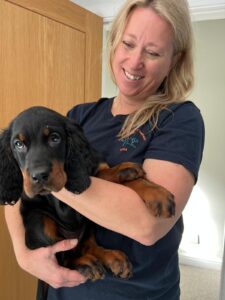
Refs:
How to build a puppy into a healthy dog by Julia Robertson
Canine Sports Medicine and Rehabilitation by Chris Zink and Janet B. Van Dyke
0 Comments